When B&W and when Colors ?
Posted 3 years ago
Hi everybody,

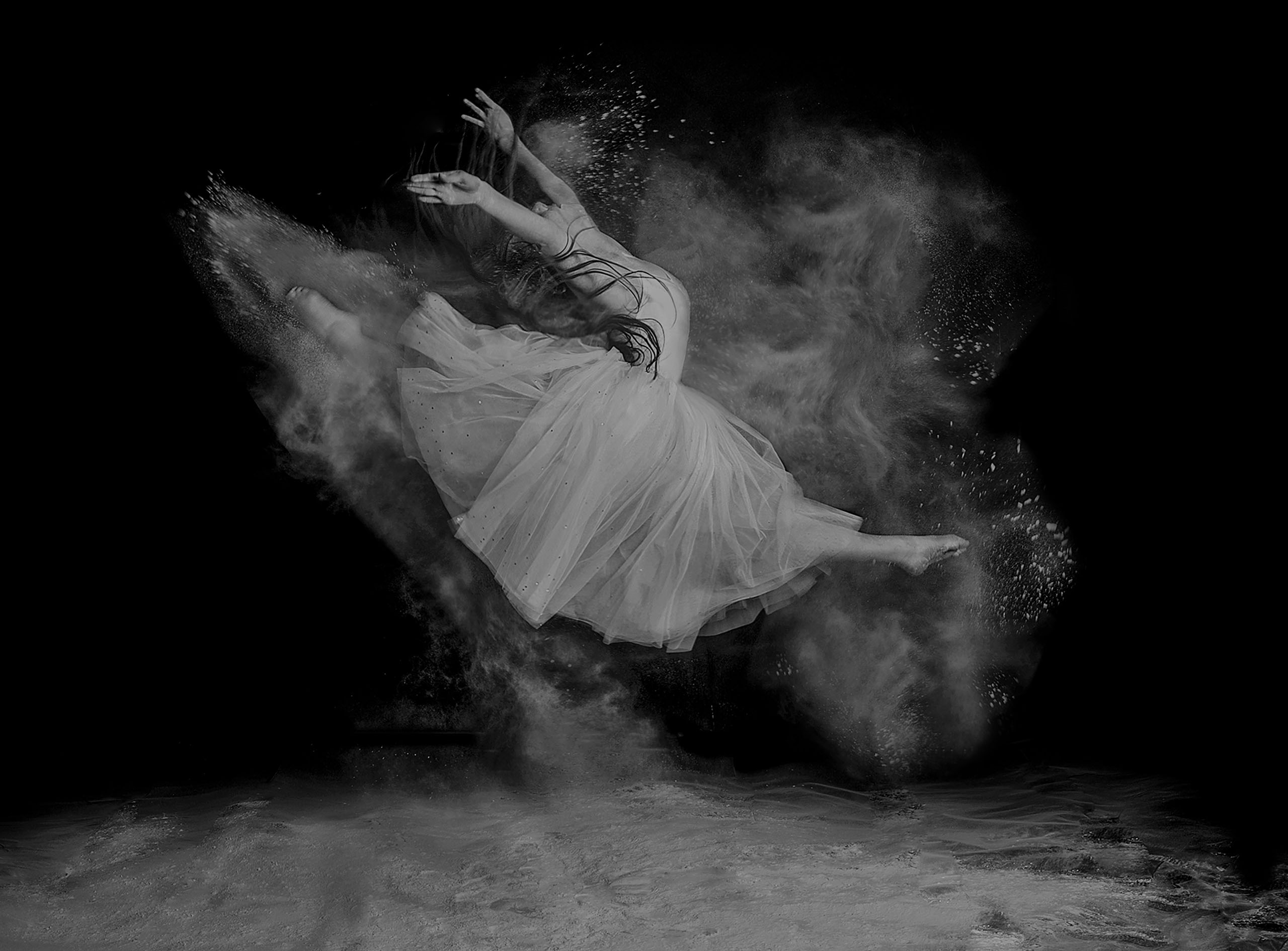
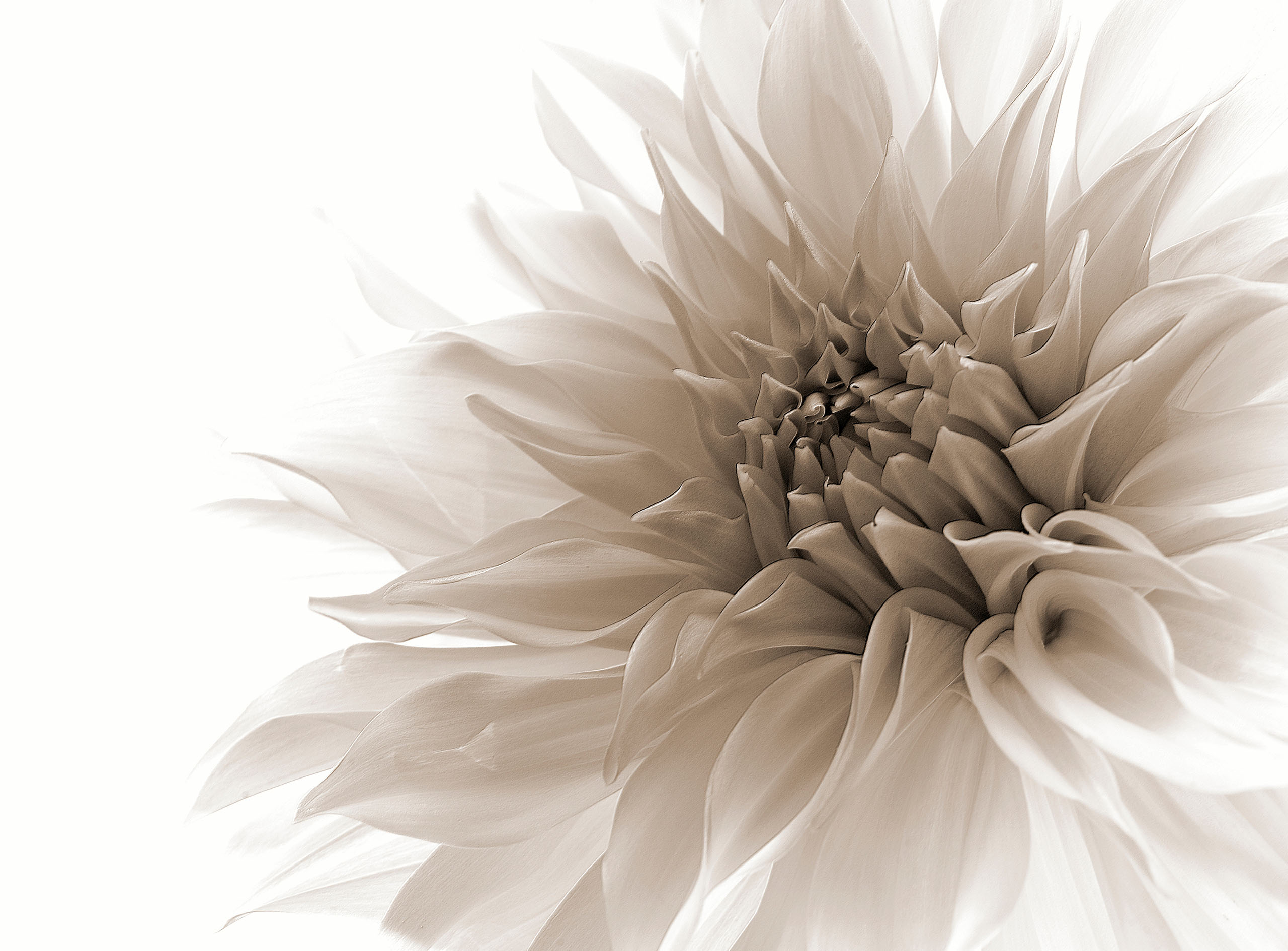
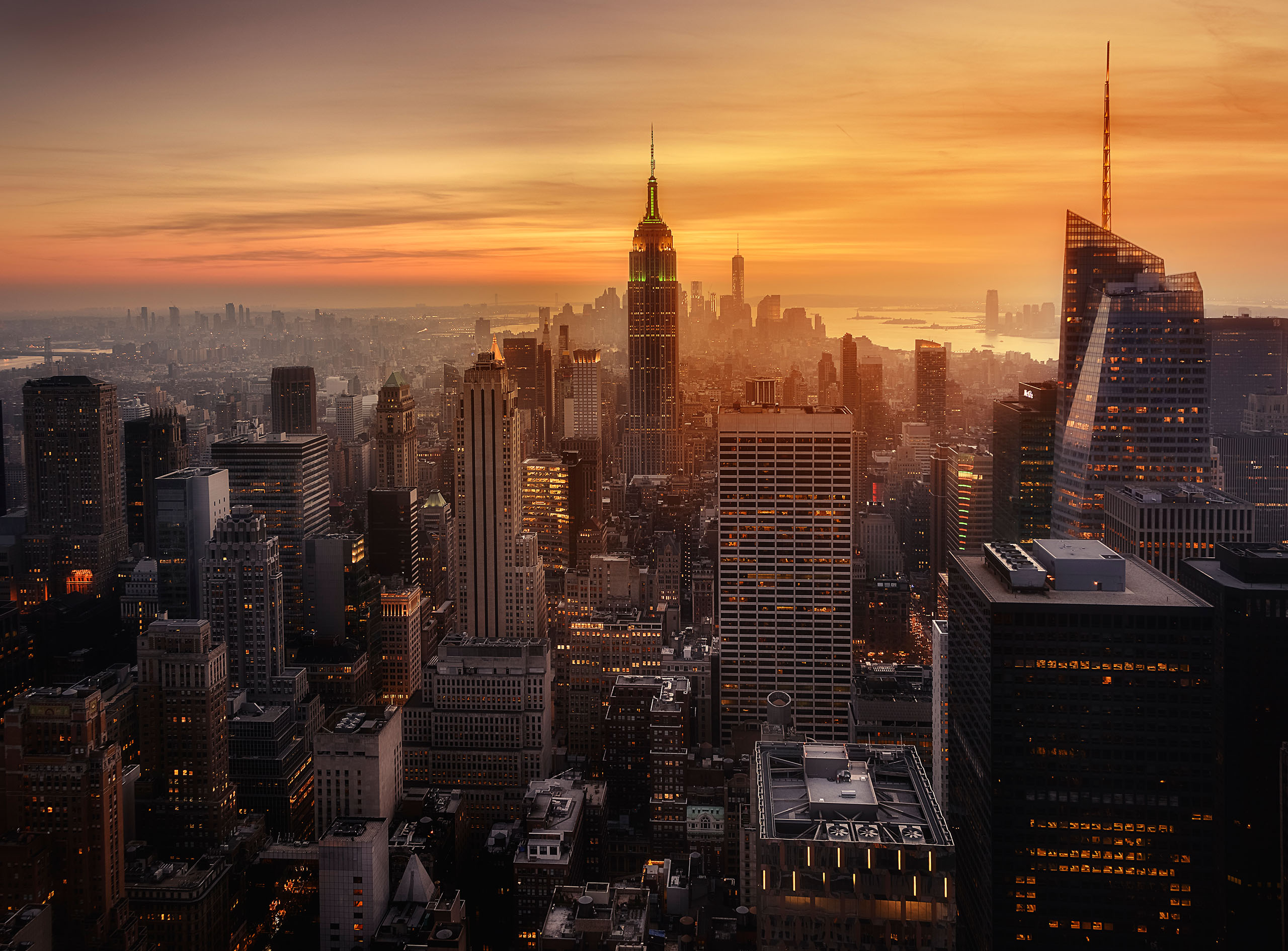
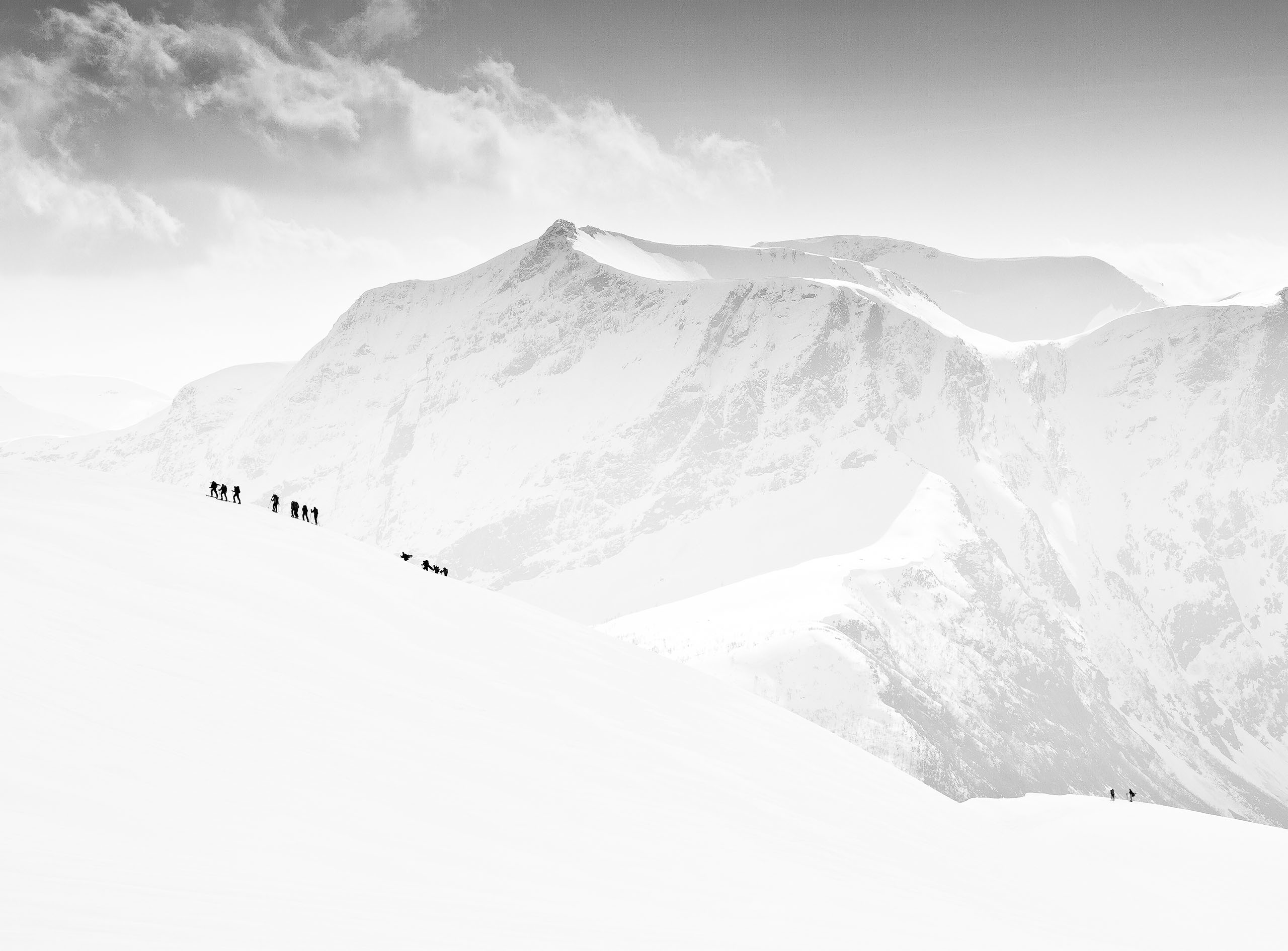
Actually I post-process almost all my shots in b&w because I found a good way to make them good and in my opinion it adds some drama but photography is not only b&w images so when do we make an image in b&w and when in colors ?

For example here, two of my shots, why choosing one instead of the other ?

http://www.julienlegrand.com/igalerie/albums/Jun_2009/DSC_00362-nb.jpg
http://www.julienlegrand.com/igalerie/albums/Jun_2009/DSC_0036.jpg

Here, it seems that street shots in colors are a bit rare.

Thanx !
 
Posted 3 years ago
Thumb-rule for me is, that if the colours don't add any extra informations/impact to the picture or makes the 'message' too complicated, I convert to BW or Sepia.

Lars :-)
 
Posted 3 years ago
Lars Klottrup wrote
Thumb-rule for me is, that if the colours don't add any extra informations/impact to the picture or makes the 'message' too complicated, I convert to BW or Sepia.


That's a perfect definition... in other words, BW eliminates a layer of information if that's not necessary and thereby abstracts the vision.
 
Posted 3 years ago
Thx Lars
 
Posted 3 years ago
Invariably I find that my landscape images have more drama Julien in the colours Mother Nature intended and I very rarely try a B&W conversion. There are chiefly two reasons for this:

Firstly, the landscapes I shoot express themselves far better in colour and I visualise an image far better in colour, it is in fact how I actually see them. I am after all basically recording light and how it is reflected off things and it happens to reflect off in all sorts of wonderful colours which I believe emphasises the subject more graphically - my own personal view this.

Secondly, I am in actual fact pretty useless in doing the conversions anyway even if I wanted to. I do occasionally think that one of my images could look good in mono but I usually struggle to achieve an acceptable result, again, this could be down to my visualisation of the image or simply my lack of processing skills (I have in fact requested help from an established mono master on 1X, so watch out!!!).

I do however, think that some categories do lend themselves better to mono, street, documentary and portraits come to mind where Lars has pointed out the criteria for conversion rather well.

JP
 
Posted 3 years ago
Thanx John
 
Posted 3 years ago
Lars Klottrup wrote
Thumb-rule for me is, that if the colours don't add any extra informations/impact to the picture or makes the 'message' too complicated, I convert to BW or Sepia.


For this reason I'm not converting most of the architectural shots to BW as, if the architecture itself is good, the colours are always an integral part of the whole building which I also want to show ( on the other hand some buildings are so ugly in colour that you have to convert :-)

Thomas
 
Rui Pires  Curator
Posted 3 years ago
For me, Mr. Ted Grant give me a good reason :

"When you photograph people in colour you photograph their clothes. But when you photograph people in B&W, you photograph their souls"
(Ted Grant)

;-)
 
Posted 3 years ago
Rui Pires wrote
For me, Mr. Ted Grant give me a good reason :

"When you photograph people in colour you photograph their clothes. But when you photograph people in B&W, you photograph their souls"
(Ted Grant)

;-)


Mr. Ted Grant is wrong IMO, if he is formulating a general rule. Could you for example imagine this superb portrait
http://1x.com/photos/portrait/22666/
in B&W?

Lars :-)

 
Posted 3 years ago
Rui Pires wrote
For me, Mr. Ted Grant give me a good reason :
"When you photograph people in colour you photograph their clothes. But when you photograph people in B&W, you photograph their souls"
(Ted Grant)

;-)

Hey hey, good point ;-)
(Rui, I love what you do, you're a great source of inspiration to me, would be glad to chat with you)

Lars Klottrup wrote
Mr. Ted Grant is wrong IMO, if he is formulating a general rule. Could you for example imagine this superb portrait
http://1x.com/photos/portrait/22666/
in B&W?

Lars :-)

In your example, we only see his face, so clothes don't matter.
Imagine we see him farther, IMO it would be better in b&w, though his hair are ginger, also his adhesive bandage, and his eyes are blue so it is a nice combination of colors for this one.
 
Posted 3 years ago
@Lars. I don't think Mr Grant meant people to take what he said literally. It's witty and clever and true to a certain extent but it would be naive to apply it as a general rule. I agree with your first statement but on the other hand I could easily see the example you gave above as a B&W. Colour in this instance doesn't really add anything more to the portrait IMHO so I'd have to side with Julien.

@Julien. I like to shoot B&W film because I like to have total control over the processing and developing and I find B&W prints very aesthetically pleasing. Just personal taste. I think a lot of street shots are in B&W in homage to people like HCB, Winogrand, Doisneau. When these people were shooting colour film wasn't readily available. I suspect that a lot of people just got use to seeing street photos in B&W.
 
Rui Pires  Curator
Posted 3 years ago
Lars Klottrup wrote
Mr. Ted Grant is wrong IMO, if he is formulating a general rule. Could you for example imagine this superb portrait
http://1x.com/photos/portrait/22666/
in B&W?

Lars :-)

Lars, three points :

Every rules have exceptions, it´s why they are called "rules". But this is Mr. Ted Grant opinion with i agree at 100% except in that "exceptions". Also sometimes i use color when i think color is necessary for some reason.

That superb portrait IMO will be much bether in B&W, i just have converted it with TRI-X 400 profile tones and love much more than in color. Also i think the autor have used some agressive edition to show the textures of skin, i do not apreciate much that techniques, looks to irreal color to me, show to much un-natural imperfections in boy´s face, and distracts me over the fabulous expression and caracther of the young boy. In this exact case i will aply Mr. Ted Grant "rule" and change "clothes" to "color tones of skin".

As a artistic recreation of young boy image, the picture is fabulous, love it and thanks to show to me, never see before, but as i said before, i prefer the converted to BW image i just made, sorry very much to Lifeware because i don´t ask him permission to do that :)

I love B&W, but i don´t like very much to enter in a war like color x BW ... all the ways is possible ways, and i use both ;)

 
Posted 3 years ago
Rui Pires wrote
i don´t like very much to enter in a war like color x BW


Me neither - We'll rest today and fight tomorrow! :-)

 
Rui Pires  Curator
Posted 3 years ago
Lars Klottrup wrote
Me neither - We'll rest today and fight tomorrow! :-)

That war only is possible in a Portuguese table with some jam like that in my last photo, and a good bottle of Douro´s wine ! :-)
 
Posted 3 years ago
Rui Pires wrote
That war only is possible in a Portuguese table with some jam like that in my last photo, and a good bottle of Douro´s wine ! :-)

Agree - I'm in! :-)


Posted 3 years ago
Uma botella de Porto e falar horas e horas :))
A bottle of Port, and hours and hours to talk ;)
 
Posted 3 years ago
Inés Montenegro wrote
Uma botella de Porto e falar horas e horas :))
A bottle of Port, and hours and hours to talk ;)

Sounds good - but only one bottle? :-)


Posted 3 years ago
Per head, of course!
 
Posted 3 years ago
Inés Montenegro wrote
Per head, of course!

Ohhhhhhh!


Rui Pires  Curator
Posted 3 years ago
Ouchh ... that results for shure in to big headaches in next day morning, and nobody can remember what talk about last night.

Is better Douro´s wine, from same wineyards from Oporto, but just red wine, we can taste 3 or 4 bottles and no headache :)

 
Posted 3 years ago
ok, when is this happening? :-))))
 
Posted 3 years ago
Ok, Rui, let's go for it then! With that smoked ham and sausages (how do you call them in Portuguese?)

patricia sweeney wrote
ok, when is this happening? :-))))

And where?

Now, seriously, I don't think we can make rules about B&W and colour, or they'd be nonsense. I use B&W when colour is distracting, or when it's poor, or when I prefer to concentrate on shapes and shades of grey. But I've often found it difficult to choose between both versions of a photo :)

 
Posted 3 years ago
if color dont look "rite"
best make black and *white"

nuf said
 
Rui Pires  Curator
Posted 3 years ago
Inés Montenegro wrote
smoked ham and sausages (how do you call them in Portuguese?)


Smoked ham : "Presunto fumado" sausages : "chouriça" or "alheiras" or "ceboleiras" a lot of diferent kinds ...

Ian Kahler wrote
if color dont look "rite"
best make black and *white"


Yeeaahh, it´s that all !! :)
 
Posted 3 years ago
Rui Pires wrote

Smoked ham : "Presunto fumado" sausages : "chouriça" or "alheiras" or "ceboleiras" a lot of diferent kinds ...

Same as our chourizos and chourizos ceboleiros, I guess, though we don't make them with garlic (the alheiras must be that...). I must try that presunto fumado ;)
 
Rui Pires  Curator
Posted 3 years ago
Yes, Inês.

And "ceboleiras" are a kind of "chourizos" with meat and onions, smoked. Delicious !

But ... we are a little bit off topic, aren´t we ? 8-()

Sorry, Julien !!!
 
Posted 3 years ago
Yes... unless we shoot some B&W sausages :-P
Sorry, Julien, for hijacking the thread :-$
 
Posted 3 years ago
B&W sausages sound like any South African's favourite: BoereWors Sausages (Farmer's sausages). Lots of coriander inside.
Every weekend on the 'braai' (barbecue) out in the sun....
Oh how I miss that place!
 
Posted 3 years ago
As I understand it, there is no fixed rule.
If you doubt between a color version and a BW version is 'cuz the color brings in important info to the scene. This info can help or bother, then you decide. In other words, if colors are part of the composition, then BW will lack part of the power, on the other hand, is color don't bring anything positive, then the shapes and elements, even the amount of greys, give sense to the picture.
 
Posted 3 years ago
I think that a lot of what goes into deciding whether an image will be in mono or colour happens before the photographer takes aim.
Photographers that like to do mono (like myself), look at scenes differently, and group tones together, rather that colours. That old learning tool of evaluating a scene for mono I shall always remember - I carried a yellow filter with me when I started to do mono, and looked through that before I would shoot. You will be amazed at how what appears as vivid distinctions in complimentary colours all seem to fade together.
A nightmare to separate at a later stage. So yes, curves and shapes and elements do make a difference, but even then the approach/pov/ composition will vary, depending on your preference.
Shooting without that in mind complicated matters seriously afterwards for mono workers.
 
Robert  Forum moderator
Posted 3 years ago
Hello Julien!
I love b/w and hardly go for colour. I always look at my motifs with b/w in mind. The way I look is quite different. Sometimes I think following: All what I do or intent do, what comes out is b/w! :-) Like one of my friend who is a cook says: I can cook what I want what comes out all time is ?Gulasch?.
Now answering your question: I always select my motifs for b/w!

Robert

 
Posted 3 years ago
Oh this thread come back :)
Thank you everybody !

I think it is also simply a question of taste.
For example I've just had an image published in Elle Magazine, this one is in colours and had been rejected here but accepted here in b&w so...
(and I gave both versions)
 
Posted 3 years ago
Colors are external.

B&W is internal.
 
Posted 2 years ago
Colors are the tunes of a whole orchestra ,B&W are the tunes of a single instrument ,playing alone.
 
Posted 2 years ago
Chuck Snow wrote
Colors are external.
B&W is internal.

Hey Please elaborate... there are few lesser humans here :))

I think colors are original/natural and every one sees it as it is but b/w is the creation of the artist who sees things differently than the avg people. It is the creators expression that creates an ordinary picture a piece of art.

Rules are just a guide for ordinary people and to create a piece of art you have to break it. If you go by rule you may not make it bad but if you follow rule you will never make it better.
 
Posted 2 years ago
Lars Klottrup wrote
Rui Pires wrote
For me, Mr. Ted Grant give me a good reason :
"When you photograph people in colour you photograph their clothes. But when you photograph people in B&W, you photograph their souls"
(Ted Grant)

;-)

Mr. Ted Grant is wrong IMO, if he is formulating a general rule. Could you for example imagine this superb portrait
http://1x.com/photos/portrait/22666/
in B&W?

Lars :-)

I completely agree with you, Lars.
Mr Grant only was revealing his limitations saying that. Working with color is far harder and difficult than working with B&W. Color adds another layer of aesthetics to the B&W world. The problem is to control the delicate balance of color without killing the final result.
And if you don't control it, it's better to leave it out.
 
Rui Pires  Curator
Posted 2 years ago
De Sousa wrote
Mr Grant only was revealing his limitations saying that

Limitations ? :-)

http://tedgrantphoto.com/Bio.htm

By the way, i love this book from him : "Real Photographers Shoot Black and White. Sometimes Colour."

yes, i know, now i will be fusilladed :))))

De Sousa wrote
Working with color is far harder and difficult than working with B&W

I think absolutely the opposite, but i think millions agree with you :)
 
Posted 2 years ago
B&W when it feels right, colors when they feel right..
 
Rui Pires  Curator
Posted 2 years ago
Lars Grepstad wrote
B&W when it feels right, colors when they feel right..

Absolutely right :)
 
Posted 2 years ago
Rui Pires wrote
De Sousa wrote
Mr Grant only was revealing his limitations saying that

Limitations ? :-)

http://tedgrantphoto.com/Bio.htm

By the way, i love this book from him : "Real Photographers Shoot Black and White. Sometimes Colour."

yes, i know, now i will be fusilladed :))))

De Sousa wrote
Working with color is far harder and difficult than working with B&W

I think absolutely the opposite, but i think millions agree with you :)

Well..., everybody has his own limitations for sure, and Mr Grant isn't an exception. Working with color was something very difficult until PS appeared. Almost all of the great masters of photography tried to go with color but they gave up. They know that color is one step ahead from B&W, but they quickly found it was impossible with the tools available at that time. If B&W was better than color, for sure, the great masters of painting would be grey guys too. They have (the masters of painting) all the pigments available with no limitations, but they use B&W only for their studies cause it's easy and much more fast to get there just by "shading". I'm sure the next generation of great photographers will be full of colored guys. PS it's already there waiting for the new masters.
But let me stress this: - Working with color it's really hard and it's not for all, so a B&W solution always be a good exit for these with "limitations?!?" or maybe just with a gray taste.

BTW, congrats on your SILVER ;)
Parabéns mais uma vez!
 
Rui Pires  Curator
Posted 2 years ago
De Sousa wrote
PS it's already there waiting for the new masters.

and will end as great masters of PS.

Thanks pal, fortunely Silver is in BW :)

 
Posted 2 years ago
Rui Pires wrote
when you photograph people in B&W, you photograph their souls

Yes but it doesn't mean you don't have to photograph the cloths :) or it doesn't mean the soul pictures are more beautiful either.

 
Posted 2 years ago
I'm reminded of the time I was in a camera store around 1970, chatting with a guy I knew who worked there. A person came up to the counter and said, "I bought this camera a couple of weeks ago along with a few rolls of b/w film. I've learned everything about b/w and now I want to try some color."

Socrates agreed with the Delphic oracle that no one was wiser than Socrates because he alone (of all the wise) was aware of his own ignorance. Sometimes I'd like to be more ignorant. The world (to quote the poet) would seem to lie before me like a land of dreams, so various, so beautiful, so new....
 
Posted 2 years ago
I dream in color, most of the time, once in a while I dream in camera!

And BTW, King, you wax very elegant that early in the morning...don't you?
 
Phyllis Clarke  Senior critic
Posted 2 years ago
I do not know who began this thread or recent question but I did mention one other factor that you could consider when deciding on b/w or color. How long do you want the photo to last?
I just looked through old photos. I have pictures from around 1930 that are still perfectly clear and visible. Also many from the 60's and 70's..still in perfect condition..people and buildings and more. Some of these I printed myself, others printed professionally..way back then. ALL the color ones are faded, all the b/w are pretty perfect.
I know that there is archival paper now, and I did a big job of over 100 8 x 10 prints for my daughter - maybe 6 years ago. They have already started to fade and they are in a book under coating.
So really you might want to think about having some b/w photos on the best possible paper of your children and any one you want to remember..
Phyllis
 
Dave Nitsche  Curator
Posted 2 years ago
I just shot a whole series of monotone images (with the camera set to do so). Color was only used for tonal variation. It was one of the hardest things I've done yet considering what a color junkie I am. I learned a ton and plan on shooting more like this down the road.

Honestly, I think shooting color and then converting to Monotone is the wrong way to do it. I know many will disagree with me, and that's ok, but if your intent is to create a monotone image shoot it that way. If your camera doesn't let you, so be it, but when your goal is to shoot monotone you have to think monotone. Most seem to think monotone as an afterthought.

To the question: When to shoot color and when to shoot monotone? When you want to!! And when you do shoot with that color space in mind and directly for it.

 
Posted 2 years ago
Dave Nitsche wrote
when your goal is to shoot monotone you have to think monotone
That is probably correct Dave, but there is nothing wrong to let the camera shoot in color (I am speaking digital here) even if you think b+w beforehand. Especially if it helps for tonal adjustment, b+w conversion at PP. I do mostly b+w but do not really trust the b+w conversion on board of my camera.
 
Posted 2 years ago
... to the question also: I shoot with b+w in mind but have to think about it when it is color. In other words the choice of doing color is too me more conscious than for b+w.
 
Dave Nitsche  Curator
Posted 2 years ago
jacques philippe wrote
Dave Nitsche wrote
when your goal is to shoot monotone you have to think monotone
That is probably correct Dave, but there is nothing wrong to let the camera shoot in color (I am speaking digital here) even if you think b+w beforehand. Especially if it helps for tonal adjustment, b+w conversion at PP. I do mostly b+w but do not really trust the b+w conversion on board of my camera.

You're probably right Jacques but again, it's getting to know your equipment. I did lots of test shooting before I started. I shot color charts to see how my camera handled certain tonalities. What colors reacted and how they worked with other colors. What shades of red resulted in what tonalities. Once you know that well enough you can trust the camera because it is consistent.

IMO knowing your equipment and shooting for the color space you intend is an important part of being a photographer. It takes work, time and effort. I was lost when I first started my little venture into it. I think I shot for a month just trying to figure it all out. Now that I have a good enough grasp of it I will never shoot color for B+W. Of course my goal was always to get an image in camera with as little software usage as possible. I also differ in many peoples view on photography. I don't think a good picture by any means is the end goal. I never have. I've always felt the journey to the picture is the important part. Thought, setup, equipment knowledge, figuring out how to do something without outside aid. If you excel in that journey the picture just takes care of itself. Will I create 300 stunning images a year? Nah. I'm happy with 10 or 12. But I can look at them and say "wow, that took 4 weeks to shoot but I figured it out". I can also go into any situation, with any lighting, and figure out how to get a shot because all this silliness I go through has given me amazing incite into how a camera works, how lighting works and what my gear can do. That's lost to many and it's a shame. Camera's are ridiculously powerful tools but you really have to dedicate yourself to them to understand. Some see it as daunting as I see learning software so their energies are focused in a different direction. I understand that. Probably takes as long to learn the intricacies of Photoshop as it does a camera. I guess it just depends on which medium you choose to excel in.

That's just me though. I'm psycho that way. There's something about pulling up an image right out of a camera, looking at it and saying "I got it"!!! IMO there's nothing more rewarding.
 
Posted 2 years ago
Dave Nitsche wrote
IMO knowing your equipment (...) you intend is an important part of being a photographer

I totally agree with that Dave, but I guess the definition of "knowing your equipment' considerably vary from one individual to another. I know you are a musician and I think it is very similar. It depends on what is working for you, it depends on the "journey" to use your word. Some will have to go through sophisticated long chain of effect processors, whereas others will just nitpick on guitar string gauge and neck thickness but that has great importance for them (and there are those who will get crazy about everything... have you ever heard about Eric Johnson considering the battery brand for some of his gear because of the effect on sound ?).

 
Dave Nitsche  Curator
Posted 2 years ago
jacques philippe wrote
have you ever heard about Eric Johnson considering the battery brand for some of his gear because of the effect on sound ?

Yeah, that's laughable. Also, he use to intonate his guitars every time he changed strings to make sure they were perfect. LOL.

I guess, in the end like everything else in this photography thing, it's all about what people want to do, focus on and create. No right or wrong. Just different. :D
 
Rui Pires  Curator
Posted 2 years ago
When B&W and when Colors ?

In B&W when i use B&W film

In colour when i use colour negative film or slide.

So simple ... :)
 
Posted 2 years ago
Rui,

"simple" is not an allowed concept here, watch out your moderator-dinosaur-post-eater !... :))
 
Posted 2 years ago
Dave Nitsche wrote
Also, he use to intonate his guitars

Sorry to continue off topic, but would you please describe this process, Dave?
 
Posted 2 years ago
King Douglas wrote
Sorry to continue off topic, but would you please describe this process, Dave?

Intonate a guitar <> tuning.
It refers to the fact of adjusting the string length that vibrates to make sure all the notes are on pitch, on every fret. Generally it is based on harmonics you an produce at the level of the 12th fret but there are others. These are micro-adjustments done on string saddle. Intonation can be affected by various things such as string gauge, string condition or atmospheric condition (moisture, heat...).
 
Posted 2 years ago
jacques philippe wrote
King Douglas wrote
Sorry to continue off topic, but would you please describe this process, Dave?

Intonate a guitar <> tuning.
It refers to the fact of adjusting the string length that vibrates to make sure all the notes are on pitch, on every fret. Generally it is based on harmonics you an produce at the level of the 12th fret but there are others. These are micro-adjustments done on string saddle.

I think I understand...thanks. Pitch and harmonics based on the length of vibrating of strings was an area of investigation by Pythagoras and his followers--an old topic.
 
Posted 2 years ago
King Douglas wrote
Pitch and harmonics based on the length of vibrating of strings was an area of investigation by Pythagoras and his followers--an old topic.
It is absolutely fundamental for almost all acoustic instruments and music in general, including string instruments of course but also winds instruments. Also some drummers are aware of that and use that.
 
Rui Pires  Curator
Posted 2 years ago

jacques philippe wrote
watch out your moderator-dinosaur-post-eater

Ouchh ... the post-eater dinossaur was poisoned and it died after eat some specific posts. Now we have a post eater goats battalion ;-)
 
Posted 2 years ago
King Douglas wrote
I think I understand...thanks. Pitch and harmonics based on the length of vibrating of strings was an area of investigation by Pythagoras and his followers--an old topic.

... by the way I wonder if there is an equivalence of harmonics for light waves. Maybe there is but I am not aware of that. I thought about the rainbow could be sort of that - and interestingly enough the rainbow is divided into 7 major tones, just like music diatonic scale is made of seven tones. But I think it is not very rigorous to make the analogy because actually the rainbow spectrum is continuous and not discrete, whereas harmonic pitch serie are discrete points of vibration (and also the natural discrete sound scale is more a pentatonic based on harmonics than the 7-tone diatonic scale which is more an invention of western music tradition).

... If you want to hear enhanced practical application of harmonic on guitar google "tap guitar" and check out guitarists Michael Edges, Andy McKee or Erik Mongrain (to name a few)
 
 
Compose a reply
You must sign in if you want to post a reply.
Fine Art Prints  -  Our books  -  Work with us  -  FAQ  -  About 1X
© 1X Innovations AB 2007-2011. All rights reserved.
 
 Stumble 1X